Blog ·
Managing Your Home's Light Through Every Season
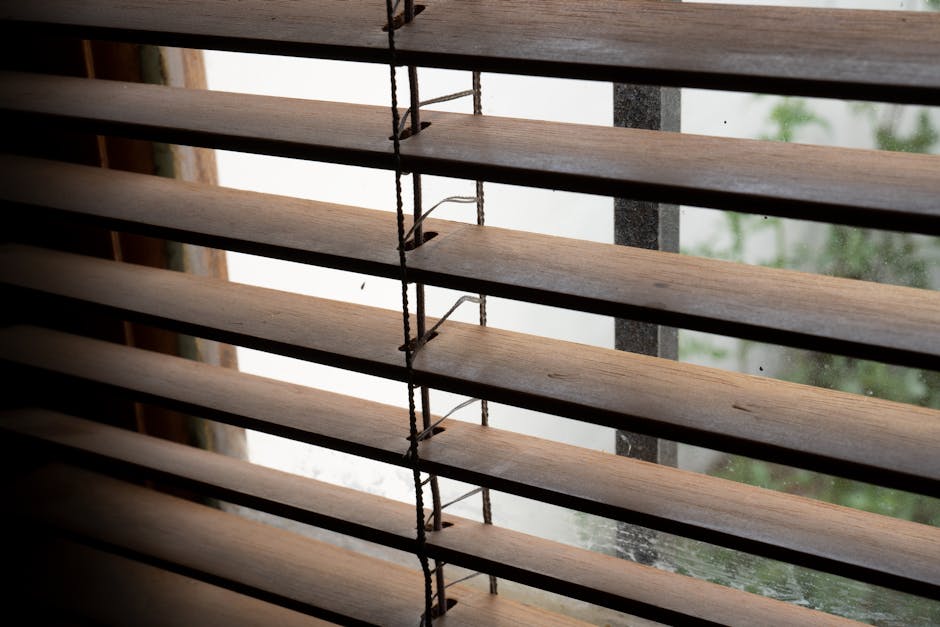
Natural light changes dramatically with seasons, creating different opportunities and challenges throughout the year. Strategic window treatments adapt to these patterns, maintaining comfort while reducing energy costs and protecting your home's interior. Understanding seasonal light changes helps you maximize your custom treatments' benefits.
Winter brings lower sun angles that penetrate deeper into rooms, especially on south-facing and west-facing windows. This lower angle allows beneficial passive solar heat into your home during daylight hours. During winter, consider treatments that welcome morning and afternoon light to naturally warm living spaces, then provide insulation at night by closing. Cellular fabrics with honeycomb construction offer excellent insulation properties, trapping air to retain warmth when closed and allowing solar gain when open. Your bedroom treatments can block early winter sunrise while welcoming afternoon warmth in living areas on the same day.
Spring transitions your light needs rapidly as days lengthen and sun intensity increases. Morning glare becomes more pronounced as sunrise times shift earlier. This is when flexible treatments shine, allowing you to adjust daily based on conditions. Roman shades and roller options let you fine-tune light levels throughout the day rather than committing to fully open or fully closed positions.
Summer presents peak light management challenges. High sun angles create intense glare and heat gain, particularly on east and west-facing windows. Strategic blocking of morning and afternoon sun maintains interior comfort without requiring constant air conditioning. Consider lighter fabric colors on exterior-facing sides to reflect heat, while interior shades can be any color you prefer for aesthetics. Keeping afternoon sun out of west-facing bedrooms improves sleep quality during longer summer days. Home offices benefit from glare reduction that makes work comfortable without creating cave-like darkness.
Fall brings moderate light levels as seasons transition. Days shorten noticeably, yet afternoon heat can still be intense. This seasonal shift is perfect for evaluating whether your treatment adjustments are optimizing comfort and energy use. Many homeowners find they can gradually shift morning treatments from blocking to welcoming light as fall progresses.
Year-round benefits accumulate when treatments match seasonal patterns. UV protection remains constant regardless of season, shielding artwork and furniture from fading. Privacy control continues functioning without seasonal adjustment, though changing light angles mean different outside viewing angles at various times of year. Consistent temperature modulation reduces energy demands across all seasons.
Motorized treatments excel at seasonal adjustment, operating on schedules that shift with sunrise and sunset times. They open earlier in summer when the sun rises early, and later in winter when sunrise occurs later. This automated responsiveness eliminates manual adjustments while perfectly following natural light patterns.
Understanding these seasonal patterns helps you appreciate how custom window treatments address your home's specific light needs throughout the year, creating comfort consistently regardless of external conditions.